
“How do I deal with the recurring spots and blemishes on my face despite using numerous whitening products?”
“Isn’t antioxidation just for anti-aging? Why is it also needed for freckles and acne marks?” ?”
These voices often hide the same misunderstanding: the belief that whitening is simply about lightening skin tone, and antioxidation is solely for anti-aging.
In fact, when looking deeper,
antioxidation is an important auxiliary for whitening, and
effective whitening requires comprehensive management through multiple pathways,
including
inhibition of melanin production, anti-inflammation, antioxidation, and strict photoprotection
.
The underestimated ingredient we’re discussing today—Tranexamic Acid, happens to be one of the few ingredients that can cover multiple pathways at the same time! But before we talk about it, let’s first look at how the skin actually becomes dark and develops spots.
-
UV stimulation: Activates melanocytes, producing a large amount of melanin to absorb UV rays, protecting cellular DNA, leading to tanning;
-
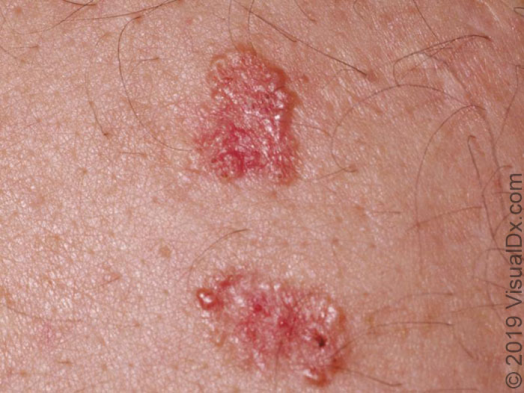
Inflammatory stimulation:The skin, after experiencing inflammation(such as acne, dermatitis, allergies)or physical damage(such as phototherapy), can also abnormally activate melanocytes, producing excess melanin, leading topost-inflammatory hyperpigmentation (PIH), which is precisely why some people “tan” or why acne marks take a long time to fade[1].
UV rays, pollution, stress, and other factors can cause the skin toproduce a large number of free radicals, triggering oxidative stress reactions. This not only directly stimulates melanocytes but also induces inflammation, further aggravating pigmentation.
And antioxidation, is to reduce excess free radicals, reducing stimulation to melanocytes at the source, thereby assisting in whitening and preventing photoaging .
However, in cases where inflammation is already present(e.g., post-phototherapy hyperpigmentation, melasma, red acne marks), relying solely on antioxidation is not enough to block the continuous activation of melanocytes by inflammation; what is needed is
inhibition of melanin production + anti-inflammation + strict sun protection multi-pathway management
, and if necessary,Supplemented by treatments such as chemical peels or lasers.
AndTranexamic Acid (TXA), this ingredient,is precisely because of itsanti-inflammatory, melanin inhibition, antioxidation, and promotion of skin barrier repairmultiple effects, it has become an ideal choice for the management of post-inflammatory hyperpigmentation:
1. The “Multi-Pathway” Mechanism of Action of Tranexamic Acid
The mechanism of action of tranexamic acid in skin pigment management is multifaceted, mainly including:
Direct Anti-Inflammatory :Inhibits the activity of plasminogen activators(PA), thereby reducing the release of arachidonic acid, decreasing the production of inflammatory mediators(such as prostaglandins), fundamentally reducing inflammation’s stimulation of melanocytes;
Inhibition of Melanin Production :Blocks the communication between melanocytes and keratinocytes, inhibits the activity of tyrosinase, reduces the synthesis and transport of melanin;
Reduction of Neovascularization :For pigmentary diseases accompanied by angiogenesis such as melasma, tranexamic acid can also reduce neovascularization by inhibiting vascular endothelial growth factor(VEGF), etc., thereby improving hyperpigmentation.
Tranexamic acid inhibits fibrinolytic activity, blocks the stimulation of melanocytes by inflammatory factors, and reduces neovascularization
These mechanisms give it a unique advantage in assisting with the management of melasma, post-inflammatory hyperpigmentation(including post-phototherapy “tan” and post-acne marks)as well as daily skin tone management. .
2. The Advantages of Topical Tranexamic Acid
Oral tranexamic acid has been confirmed to be effective against melasma in numerousrandomized controlled trials,but it may also cause adverse reactions such as gastrointestinal discomfort and menstrual reduction(under the guidance of a doctor, the incidence is relatively low), and it is necessary to screen for thrombotic risk factors before treatment.
Topical tranexamic acid can reduce systemic absorption and has good safety,and can be used as a choice for combined treatment,especially suitable for people who are ineffective or intolerant to traditional treatments.
3. Concentration and Penetration of Tranexamic Acid
Clinical studies have shown that different concentrations of 2%-10% all have an effect on improving pigmentation, for example5% tranexamic acidis one of the commonly used concentrations in clinical studies and has been proven to be safe and effective[2].
Additionally, tranexamic acid is a highly hydrophilic ingredient, and has poor skin permeability. Therefore, penetration enhancement technology is also crucial for improving the bioavailability of topical tranexamic acid. .
4. Suitable Groups for Tranexamic Acid
-
Users of Photoelectric Medical Aesthetics:As preoperative and postoperative care, it helps prevent the risk of hyperpigmentation after treatments such as laser and chemical peeling.
-
Sensitive pigmented skin:Skin that is both sensitive and dull, with red/black acne marks, melasma, etc.“inflammation with hyperpigmentation”problems;
-
Post-acne hyperpigmentation: : After the inflammation of acne subsides, stubborn red and black post-acne marks are left behind, tranexamic acid can be used as an adjuvant treatment option, but should be combined with topical treatments such as retinoic acid and benzoyl peroxide to control acne.
-
Mild freckle removers: Those who are intolerant to high concentrations of vitamin C and other ingredients, looking for a product that is well-tolerated, gentle, and can inhibit melanin.
Peer Review Expert Weng Weili
Distinct Dermatologist
Master’s degree from Sun Yat-sen University
References
Content Editor CC
Disclaimer: The article is intended to provide general health information. For personal medical issues, please consult a doctor. To reprint the article, please contact: medicine@distinctclinic.com.