
Creating a healthy and comfortable sleeping environment for children is a matter of great concern for many parents.
For example, many parents are puzzled about whether it is necessary to ensure that the bedroom is completely dark when their child sleeps, without a trace of light, to ensure high-quality sleep for their child? Is there a problem if a small night light is left on? Today, let’s talk about it.
What is the relationship between light and sleep?
First, let’s clarify one thing: The ideal sleep environment does tend to be dark.
This is because a dark environment can effectively promote the secretion of melatonin. Melatonin is a hormone secreted by the pineal gland, which plays a key role in regulating the body’s circadian rhythm and promoting sleep.
In a completely dark environment, the secretion of melatonin increases, which helps people fall into a deep sleep state more quickly and improves sleep quality.
Any form of light, whether natural or artificial, can potentially disrupt this process. Even faint light can suppress the production of melatonin, thereby affecting the depth and continuity of sleep. Long-term exposure to strong light at night can also disrupt the circadian rhythm, leading to difficulties in falling asleep, early waking, or reversed day-night cycles.
Do children need absolute darkness to sleep?
Although a dark environment has many benefits for sleep, we also need to view it rationally, and not blindly pursue an absolute “zero light” environment.
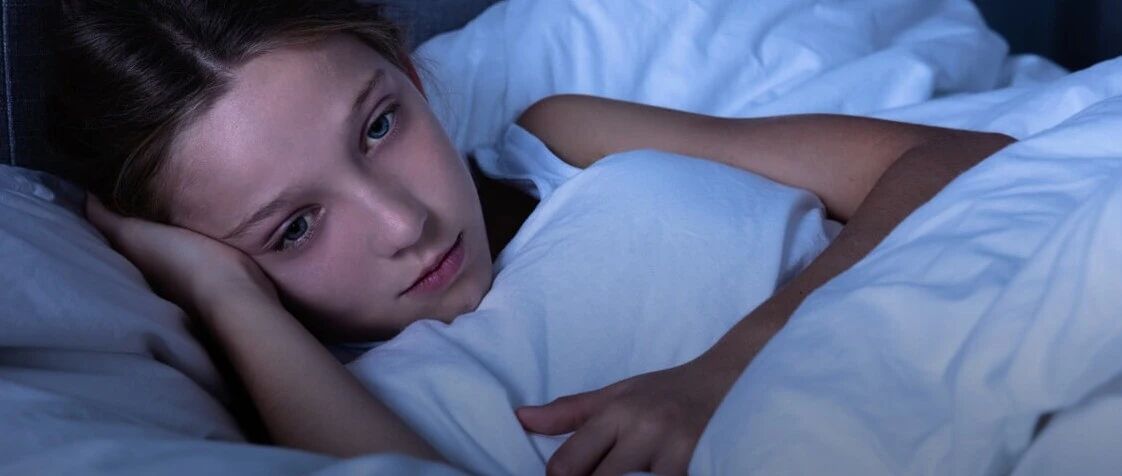
Each child has different sensitivity and acceptance to light, some children may feel uneasy or fearful in a completely dark environment, which can affect their sleep.
In addition, for children who need to get up at night, a completely dark environment may increase the risk of falling. A deliberately created completely dark environment also prevents morning light from entering the room, affecting the normal circadian rhythm, and causing a lack of energy in the morning.
Therefore, pursuing absolute darkness is unnecessary, and parents should adjust the lighting in the bedroom according to their child’s actual situation.
Will sleeping with a night light cause precocious puberty or affect height?
The low intensity of a night light has no effect on height, neither promoting nor inhibiting. You might as well let go of the entanglement over the night light, respect the body’s circadian rhythm, live well during the day, and rest well at night.
Further reading 👉:Does sleeping with a night light affect height?
Focusing on adjusting dietary and lifestyle habits, a balanced diet, appropriate exercise, controlling screen time, and correctly guiding children’s choices of TV and magazine content may be more helpful in preventing precocious puberty.
Further reading 👉:Does sleeping with a night light cause precocious puberty?
What should parents do?
If a child is afraid of a completely dark environment, consider using a soft night light(light intensity within 3lx), such as warm-colored, low-brightness LED lights or floor lamps, which can provide a sense of security without significantly interfering with melatonin secretion.
At the same time,place it below the level of the bed, ensuring that the night light is away from the child’s eyes to reduce direct light stimulation.
When the child is young, leaving a night light is convenient and harmless, but as they grow up, respect the child’s own wishes, turn it off if not needed, and turn it off after they fall asleep if needed. Here, we recommend an animated film for children who are afraid of the dark –
orion and the dark(Chinese name: My Good Friend Black).
In addition,good sleep habits are equally important. Parents should help their children establish regular sleep-wake times, avoid overly exciting activities before bed, such as watching TV, playing rough games, etc. Creating a quiet and comfortable sleeping environment, such as appropriate room temperature, soft bedding, and gentle background music, can help improve children’s sleep quality.
In summary, every child is unique, and the process of raising children is not “black and white”.
We should understand the individual differences of children, accept their fear of the dark, reasonably adjust the lighting, and create a sleeping atmosphere that is both safe and comfortable.
Zhu Jie
Master of Huazhong University of Science and Technology
References