
丨Click on the card above to make an appointment or consult with a doctor
“Eczema” is a frequently discussed issue, and people first think of eczema in children that recurs frequently, but in fact,adults who are troubled by eczema are also numerous.
Skin that is dry, itchy, and rough can greatly affect one’s mood and sleep, and even impact one’s image.
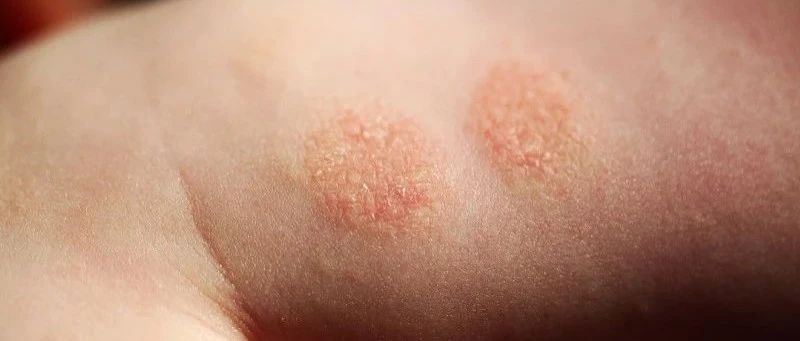
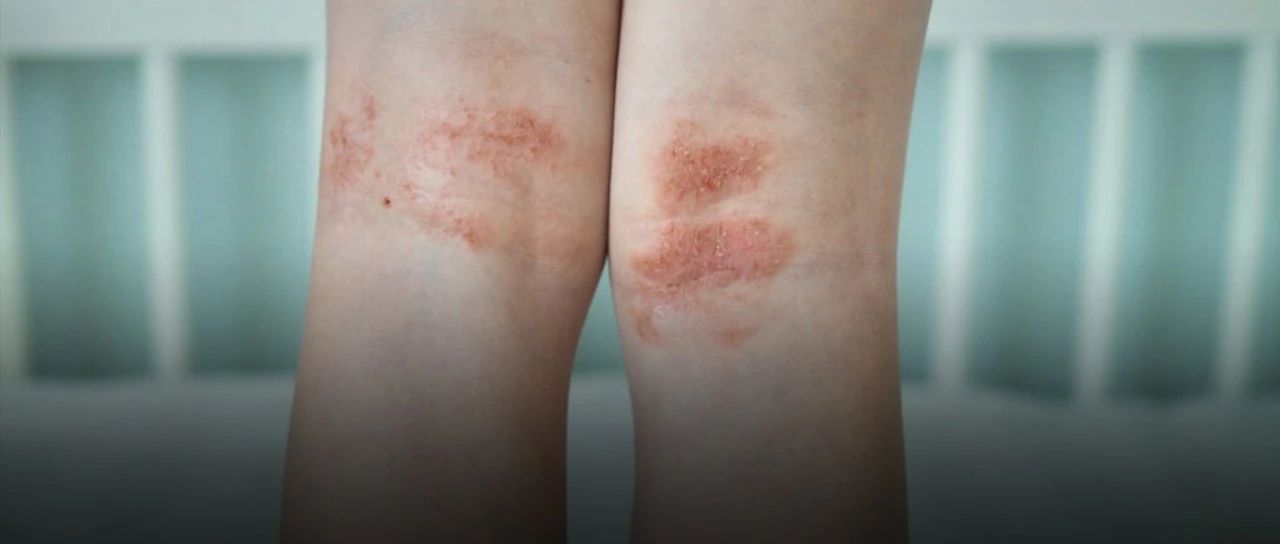
Eczema skin lesions (click on the image to enlarge)
Today, let’s talk about adult eczema, overall, the nursing methods are the same as for children, but adults have even more things to pay attention to than children.
For example, adults face greater mental stress, so it’s important to maintain a good attitude;
adults with hand eczema need to reduce household chores and exposure to irritants at work, etc.
To reduce the frequency of eczema attacks and alleviate symptoms
pay attention to these 7 things
- Avoid scrubbing with a towel(damaging the skin barrier);
- The general frequency of bathing is once a day or every other day,which can be adjusted according to the season, sweating, etc.;
- The recommended water temperature for bathing is 32-38℃(if it’s not acceptable, don’t force it);
- Bathing duration 5-10min;
- It is recommended to use hypoallergenic and non-irritating skin cleansing products, with a pH value close to the weak acidity of normal epidermis(about pH6).
- Use a moisturizerat least twice a day;
- Immediately after washing hands or bathing, apply a moisturizer;
- The amount must be sufficient, referring to the recommended weekly usage of 250-500g of moisturizing products for adults.
👍Recommended
- Chronic hand eczema: Directly choose petrolatum;
- Eczema on other parts: Depending on the severity of eczema, different seasons, and personal preferences, such as using higher moisturizing creams in autumn and winter, and choosing comfortable lotions in summer.
- There is evidence that creams containing a mixture of ceramides are more beneficial in reducing skin water loss than traditional moisturizers.
👎Not recommended
People often ask about the following oils:
- Olive oil: Due to its high oleic acid content, it increases transepidermal water loss and can also increase inflammation;
- Tea tree oil: Recognized for its high allergenicity, so it is not recommended for external use;
- Virgin coconut oil: Although some literature suggests that it can effectively reduce inflammation and transepidermal water loss in patients with atopic dermatitis, and seems to have antimicrobial properties against Staphylococcus aureus, it is not recommended to use pure coconut oil for moisturizing. It is recommended to use cream/lotion/ointment moisturizers with a certain ratio of water and oil.
When washing clothes, choose fabric detergents based on non-ionic surfactants(for fabric detergents for sensitive skin)to minimize skin irritation. Rinse clothes multiple times to reduce residual detergent in the clothes as much as possible.
Finally, these three factors can also lead to worsening of eczema:
- Scratching or rubbing the skin lesions;
- Mental tension or anxiety;
- Using perfumes.
Hand eczema that doesn’t improve for a long time
It is recommended to do 2 things well
- Long or frequent contact with water;
- Contact with detergents, cleaning agents, disinfectants, bleaches, acids/bases;
- Physical irritants including metal tools, wood, glass fiber, plants, paper, dust or soil, industrial solvents and oils, cement, metal;
-
Contact with certain foods, topical medications, and cosmetics.
How to reduce the impact of irritants in daily life?
- When in contact with raw meat, vegetables, and other irritants such as chemicals, it is recommended to wear gloves;
- It is recommended to wear vinyl or other non-latex gloves, and trynot to choose latex/rubber gloves, because latex/rubber can also cause allergies;
- If wearing protective gloves for more than 10 minutes, it is advisable to wear a pair of thin cotton gloves inside, to provide an absorption layer to prevent skin irritation from sweat when using gloves for a long time.
- Choose mild, fragrance-free, and soap-free hand wash liquids;
- After washing hands, gently pat dry with a towel to remove excess water between fingers;
- After drying hands, immediately apply a generous amount of heavy moisturizer (petrolatum can be directly chosen).
- Topical corticosteroid ointments
(e.g., halometasone, elocon, hydrocortisone butyrate); - Non-corticosteroid ointments
(e.g., tacrolimus, pimecrolimus, crisaborole, etc.)
.
Since many adult friends have fears about corticosteroids or misuse them, it is recommended to consult a doctor before using medication.
Oral antihistamines(e.g., chlorpheniramine, cyproheptadine, loratadine, cetirizine, levocetirizine, etc.) can help relieve itching to some extent, but some people may not respond.
If using topical medication solution,apply the solution first, then use the moisturizer. If using
topical patches,apply them directly to the affected area.
When using topical medications, try “active maintenance treatment” in combination with moisturizers to reduce and control eczema recurrence:
- In the early stage of medication: Focus on using topical anti-inflammatory drugs with good effects;
- After the skin lesions have basically disappeared: Long-term, low-dose, intermittent maintenance treatment on the original skin lesion site
.
The specific medication and treatment duration need to be reasonably chosen according to the site, characteristics, and severity of eczema. It is recommended to have a doctor provide a plan for more peace of mind.
including some immunosuppressive drugs and some biological agents, such as dupilumab, Janus kinase(JAK)inhibitors, etc.Further reading:Eczema recurs, what should I do with dry and itchy skin? Doctors teach you how to care!
The short-term goal of treating eczema is to relieve itching, clear skin lesions, and improve quality of life; the long-term goal is to continuously control itching, continuously improve skin lesions, and avoid or reduce recurrence.
Is the rash on my body eczema?
So, if you are not sure, don’t use medication indiscriminately. It is recommended to consult a dermatologist to make a clear diagnosis before targeted treatment.
Ph.D. from Army Medical University,
Visiting Scholar at MD Anderson Cancer Center